
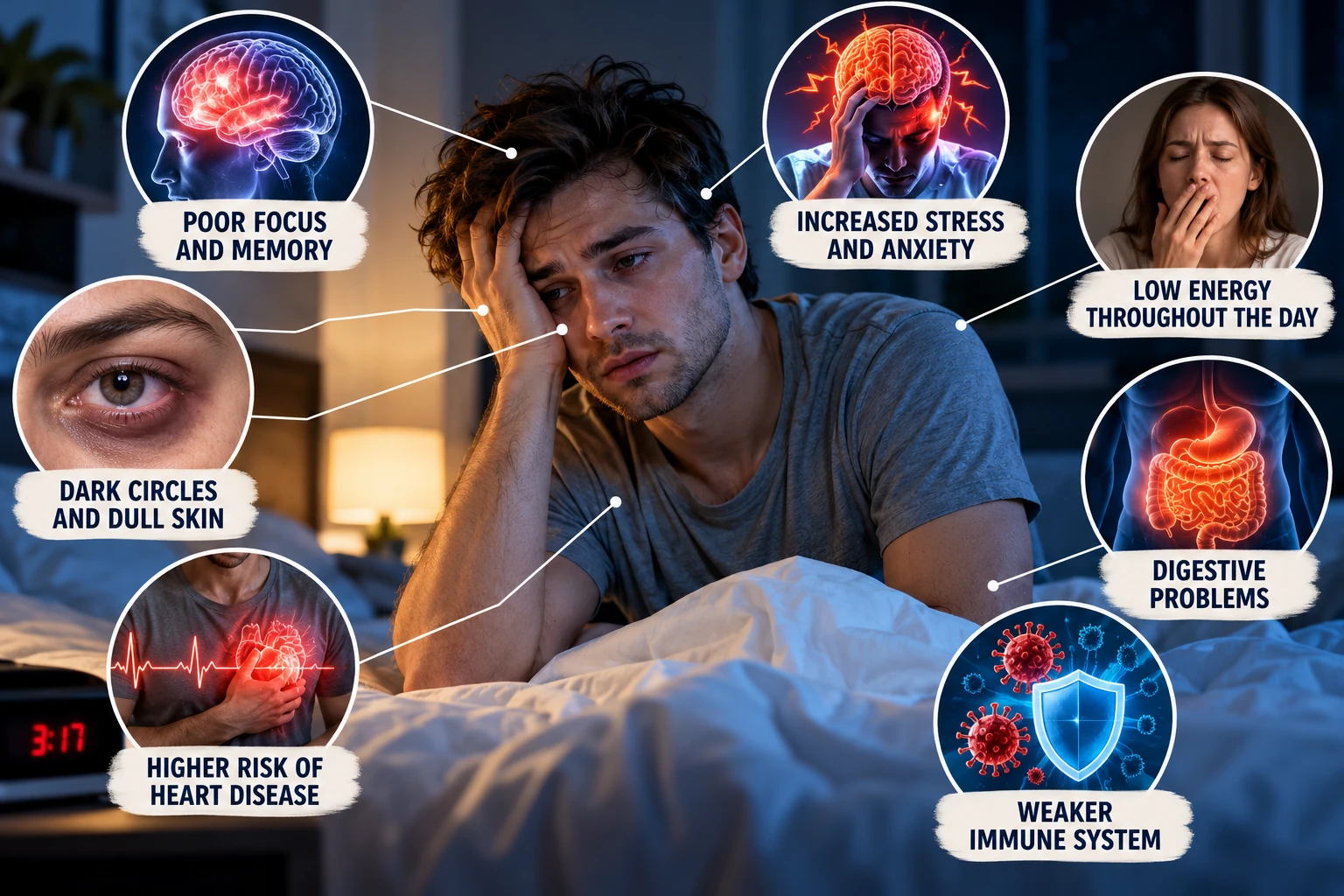
Sleep is one of the body’s most important recovery processes. During sleep, the brain processes information, the body regulates important hormones, and tissues undergo repair. Yet busy schedules, late-night screen use, work pressure, and irregular routines can prevent many people from getting sufficient rest.
Occasionally sleeping poorly is common, but regularly missing out on sleep can affect physical health, mental performance, mood, and everyday functioning. Understanding these effects can help you recognize the importance of maintaining a healthy sleep routine.
1. Your Energy Levels Drop
One of the earliest effects of insufficient sleep is daytime tiredness. You may feel sluggish after waking up, struggle to stay alert during meetings, or find ordinary tasks more exhausting than usual.
Sleep supports the body’s recovery and helps maintain normal energy regulation. When you consistently sleep too little, you may rely more heavily on caffeine or sugary snacks to remain awake.
Although these may temporarily increase alertness, they cannot replace adequate sleep.
2. Your Concentration and Memory May Suffer
The brain uses sleep to process experiences, organize information, and strengthen certain types of memories. Without enough rest, concentrating on conversations, remembering instructions, and learning new information can become more difficult.
You might find yourself rereading the same paragraph, forgetting appointments, or making mistakes during routine tasks.
Sleep deprivation can also slow reaction times, making driving and operating machinery more dangerous.
3. Your Mood Can Change
Insufficient sleep can influence how you respond to everyday situations. Minor inconveniences may feel more frustrating, and you may become unusually impatient, anxious, or emotionally sensitive.
Sleep helps regulate the brain systems involved in emotional processing. When rest is inadequate, managing stress and maintaining a balanced mood can become more challenging.
Maintaining regular sleep patterns may help support emotional stability, although persistent mood symptoms may require additional professional support.
4. Your Immune System May Be Affected
Sleep supports the immune system, which helps the body respond to infections and other health challenges.
Regularly getting insufficient sleep may interfere with normal immune responses and is associated with a higher susceptibility to certain infections. Adequate rest is therefore an important part of a healthy lifestyle, alongside balanced nutrition, physical activity, and recommended vaccinations.
5. Your Appetite May Increase
Sleep deprivation can influence hormones and brain signals involved in hunger, appetite, and food preferences. Some people experience stronger cravings for calorie-dense foods after a poor night’s sleep.
When you are tired, you may also have less motivation to prepare balanced meals or engage in physical activity.
Over time, these changes can make weight management more difficult, particularly when insufficient sleep becomes a regular pattern.
6. Blood Sugar Regulation Can Change
Sleep plays a role in how the body responds to insulin, the hormone that helps regulate blood glucose levels.
Repeatedly getting too little sleep can impair insulin sensitivity and affect glucose regulation. Over the long term, chronic insufficient sleep is associated with an increased risk of developing type 2 diabetes.
Healthy sleep habits cannot eliminate every risk factor, but they can contribute to better overall metabolic health.
7. Your Heart Health May Be Affected
Consistently short or disrupted sleep has been associated with a higher risk of high blood pressure, cardiovascular disease, and stroke.
Sleep helps regulate processes involved in blood pressure, inflammation, and stress responses. When sleep is repeatedly inadequate, these systems may be affected.
People concerned about their cardiovascular health should pay attention to sleep alongside other important factors, including diet, exercise, smoking, and blood pressure management.
8. Your Skin May Look Tired
A poor night’s sleep may make your face appear tired, with noticeable under-eye puffiness, darker circles, or a dull complexion.
Sleep contributes to normal tissue maintenance and recovery. However, skin appearance is also influenced by genetics, hydration, allergies, age, and other factors. Getting enough rest may help you look more refreshed, but it is not a guaranteed solution for every skin concern.
9. Your Physical Performance Can Decline
Insufficient sleep can affect coordination, endurance, reaction time, and motivation to exercise.
Athletes and physically active people may notice that workouts feel harder or that their recovery takes longer. Even everyday activities, such as climbing stairs or carrying groceries, may feel more demanding when fatigue builds up.
Prioritizing rest can support recovery and help you exercise more safely.
10. Long-Term Sleep Problems Can Affect Overall Health
Occasional sleep loss usually does not cause lasting harm by itself. However, chronic insufficient sleep has been linked to several health concerns, including obesity, metabolic problems, cardiovascular disease, and difficulties with mental well-being.
The effects vary according to individual health, sleep patterns, age, and other lifestyle factors. Persistent sleep problems should not be ignored, especially when they interfere with work, relationships, or daily activities.
How Much Sleep Do You Need?
Most adults generally need at least seven hours of sleep per night, while teenagers and children need more depending on their age.
To improve sleep quality, try the following habits:
- Maintain a consistent bedtime and waking time.
- Keep your bedroom quiet, dark, and comfortably cool.
- Reduce bright-screen exposure close to bedtime.
- Avoid caffeine late in the day if it affects your sleep.
- Exercise regularly, but adjust the timing if evening workouts keep you awake.
- Establish a relaxing bedtime routine, such as reading or taking a warm shower.
If you regularly struggle to fall asleep, wake frequently, snore loudly, or remain exhausted despite spending enough time in bed, consult a healthcare professional. These symptoms can sometimes indicate an underlying sleep disorder.