
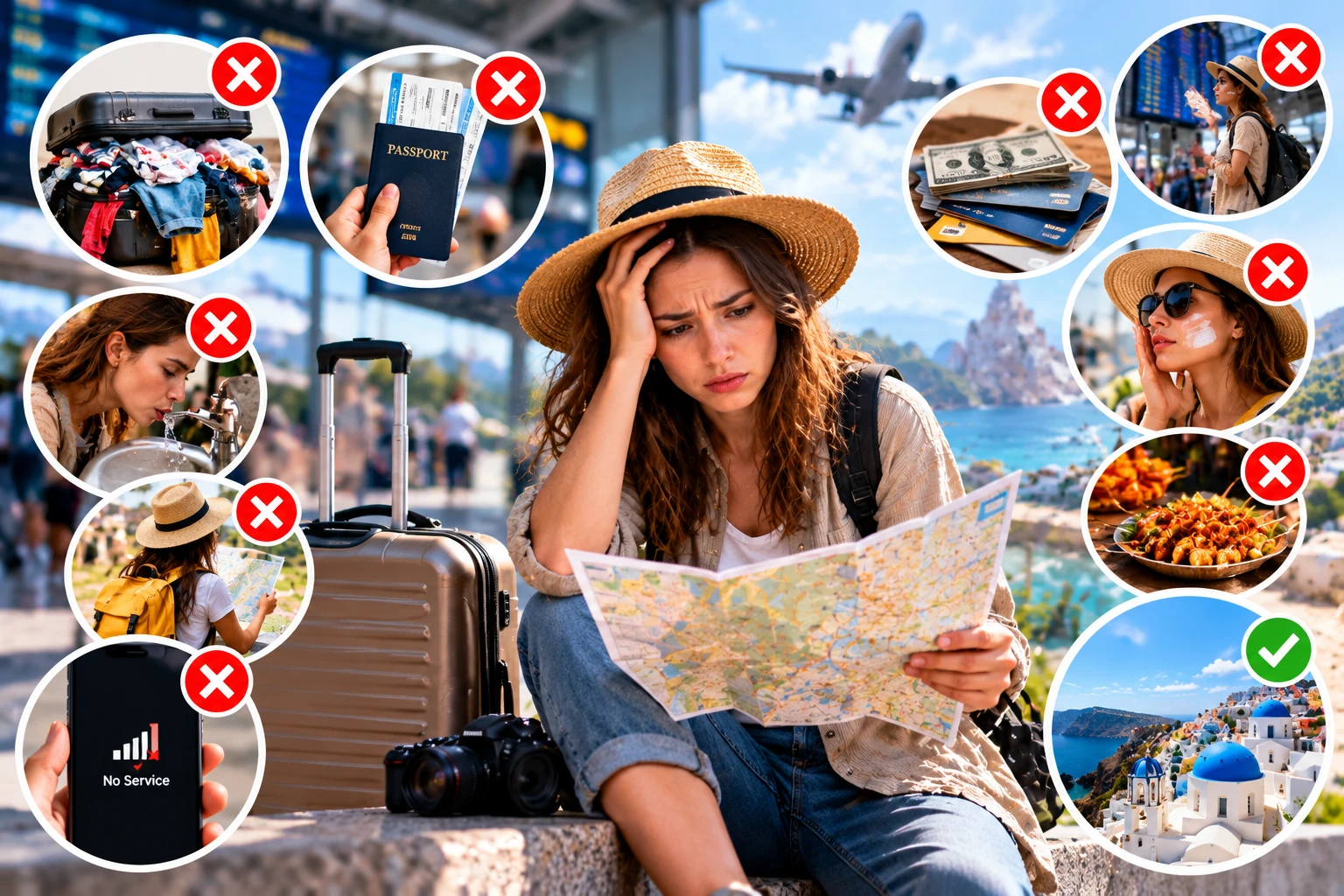
Traveling is an exciting opportunity to explore new places, experience different cultures, and take a break from everyday routines. However, even a carefully planned vacation can become stressful when small mistakes lead to unexpected expenses, missed activities, or unnecessary complications. From overpacking to ignoring local customs, travelers often make avoidable errors that affect their experiences. Understanding these common mistakes can help you enjoy a smoother, safer, and more memorable trip.
1. Not Researching the Destination
One common mistake is arriving at a destination without understanding its climate, transportation system, local customs, or major attractions. This can lead to confusion and wasted time.
How to avoid it: Research the destination before departure. Learn about local transportation, weather conditions, popular attractions, safety recommendations, and cultural expectations.
2. Overpacking Your Luggage
Packing too many clothes and unnecessary items makes luggage difficult to manage. It can also result in excess baggage fees and inconvenience when changing hotels.
How to avoid it: Prepare a packing list based on the length of your trip and the expected weather. Choose versatile clothing that can be combined in different ways and leave space for souvenirs.
3. Ignoring Your Travel Budget
Travel expenses can quickly increase because of restaurant meals, transportation, entrance tickets, shopping, and unexpected purchases.
How to avoid it: Set a realistic budget before traveling. Divide your estimated expenses into accommodation, food, transportation, activities, and shopping. Keep an emergency reserve for unexpected costs.
4. Booking Flights at the Last Minute
Waiting too long to book flights can limit your options and sometimes result in higher prices. It can also make it difficult to find convenient departure times.
How to avoid it: Compare flight options early and consider different departure times or nearby airports. Review baggage allowances, cancellation policies, and other fees before confirming a booking.
5. Planning Too Many Activities
Trying to visit every attraction in a short period can make a vacation exhausting rather than relaxing. Travelers may spend more time rushing between places than enjoying them.
How to avoid it: Choose a few priority activities for each day and leave free time for unexpected discoveries, meals, and rest.
6. Forgetting Important Documents
Losing access to passports, identification, visas, or booking confirmations can create serious travel problems, particularly during international trips.
How to avoid it: Check all entry requirements well in advance. Keep essential documents secure and maintain digital copies in a protected location. Remember that digital copies do not replace original documents when originals are required.
7. Not Purchasing Suitable Travel Insurance
Unexpected medical expenses, trip interruptions, baggage problems, and cancellations can become expensive without suitable insurance coverage.
How to avoid it: Review travel insurance options before departure. Check exclusions, medical coverage, cancellation conditions, and whether your planned activities are included.
8. Exchanging Currency at the Wrong Place
Some travelers exchange money without comparing exchange rates or transaction fees. This can reduce the amount of money available for the trip.
How to avoid it: Compare exchange rates and fees before exchanging currency. Notify your bank if necessary, and understand any foreign transaction charges associated with your cards.
9. Depending Entirely on Mobile Internet
Relying only on mobile data can become problematic when traveling through remote areas or countries where roaming charges are expensive.
How to avoid it: Download offline maps, save hotel addresses, and keep important booking information accessible without an internet connection. Research local SIM cards or eSIM options if appropriate.
10. Ignoring Local Customs
Different destinations have different expectations regarding clothing, photography, greetings, religious sites, and public behavior. Ignoring these customs can offend local residents or create uncomfortable situations.
How to avoid it: Learn a few basic local phrases and research cultural etiquette before visiting. Follow posted rules at religious sites and ask permission before photographing people.
11. Carrying Too Much Cash
Keeping all your travel money in one wallet increases the risk of losing a significant amount if your belongings are stolen or misplaced.
How to avoid it: Carry only the cash you need for the day. Store backup funds separately and keep payment cards in a secure location.
12. Overlooking Transportation Options
Travelers sometimes assume that taxis or rental cars are the easiest ways to get around. In some destinations, public transportation may be cheaper, faster, or more convenient.
How to avoid it: Research local buses, trains, metro systems, airport transfers, and walking routes. Compare prices and travel times before choosing your transportation method.
13. Eating Only at Tourist Restaurants
Restaurants near major attractions may be convenient, but limiting every meal to tourist-focused establishments can mean missing local dishes and dining experiences.
How to avoid it: Explore local markets, neighborhood cafés, and restaurants recommended by residents. Check hygiene standards and food safety practices, particularly when trying unfamiliar dishes.
14. Forgetting to Check the Weather
Unexpected rain, extreme heat, cold temperatures, or strong winds can disrupt sightseeing plans and make certain activities uncomfortable or unsafe.
How to avoid it: Check seasonal weather patterns before booking and review forecasts shortly before departure. Pack suitable clothing and keep alternative indoor activities in mind.
15. Failing to Keep Emergency Information
Travelers may not know whom to contact if they lose their passport, experience a medical emergency, or need help from local authorities.
How to avoid it: Save local emergency numbers, accommodation details, travel insurance information, and your country’s embassy or consulate contact details where relevant. Share your itinerary with a trusted person.
Additional Tips for a Stress-Free Vacation
A successful vacation depends on preparation, flexibility, and realistic expectations. Confirm your bookings before departure, arrive at airports with sufficient time, and keep essential medication and valuables in your carry-on luggage when flying.
It is also important to protect your belongings in crowded places and avoid sharing sensitive travel information publicly in real time. Respect local laws and follow safety guidance when participating in outdoor activities.
Most importantly, accept that not everything will go according to plan. A delayed train, unexpected rainstorm, or change in schedule does not have to ruin your holiday. Sometimes, unplanned experiences become the most memorable parts of a trip.